
Britain and the United States have warned against cross-border violations as tensions between Ethiopia and Eritrea raise fears of a wider regional conflict.
In a statement issued Thursday, October 15, the British government called for immediate de-escalation and reaffirmed support for national sovereignty, African Union-led dialogue and unhindered humanitarian access.
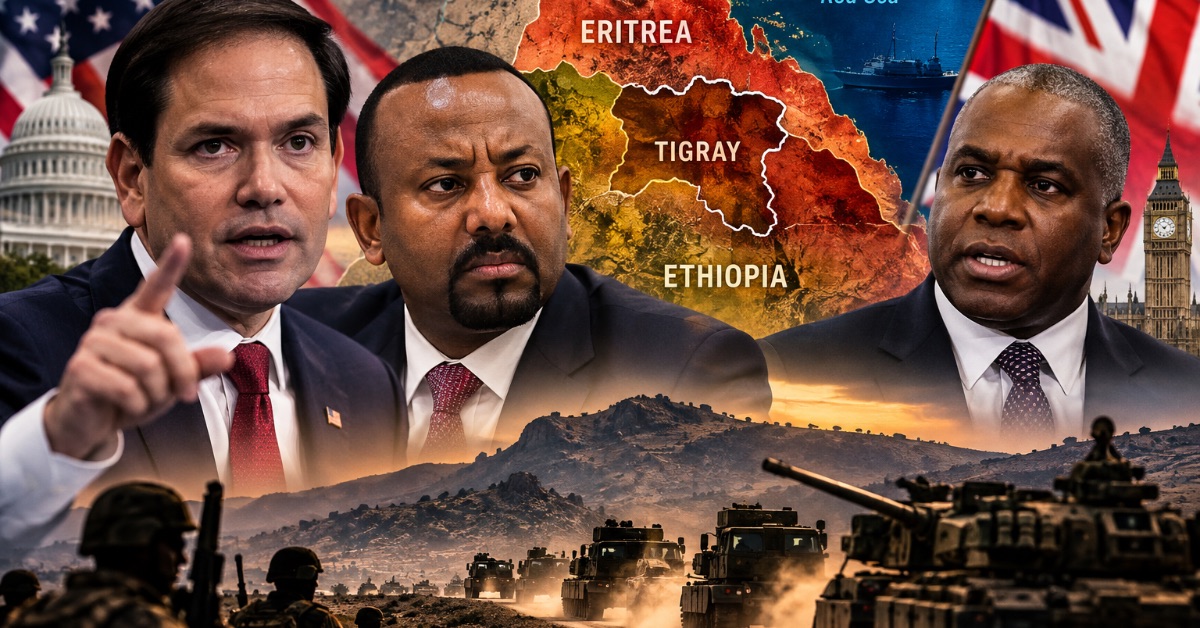
The statement followed a telephone conversation on October 14 between US Secretary of State Marco Rubio and Ethiopian Prime Minister Abiy Ahmed, during which Washington urged restraint and respect for territorial integrity.
Growing Military Tensions
Reports of military movements and heightened deployments in northern Ethiopia have intensified concerns along the Ethiopia–Eritrea frontier. Areas around Tigray, including communities near Zalambessa, remain strategically sensitive because of their proximity to Eritrea.
Addis Ababa has accused Eritrea of military involvement in Tigray, while Asmara rejects the allegations. Eritrean officials have also warned that Ethiopia’s pursuit of access to the Red Sea threatens its territorial integrity and national security.
Ethiopia’s interest in the Eritrean port of Assab remains a major source of tension. Eritrea maintains that its internationally recognized coastline is not subject to territorial negotiation or military pressure.
Humanitarian Concerns
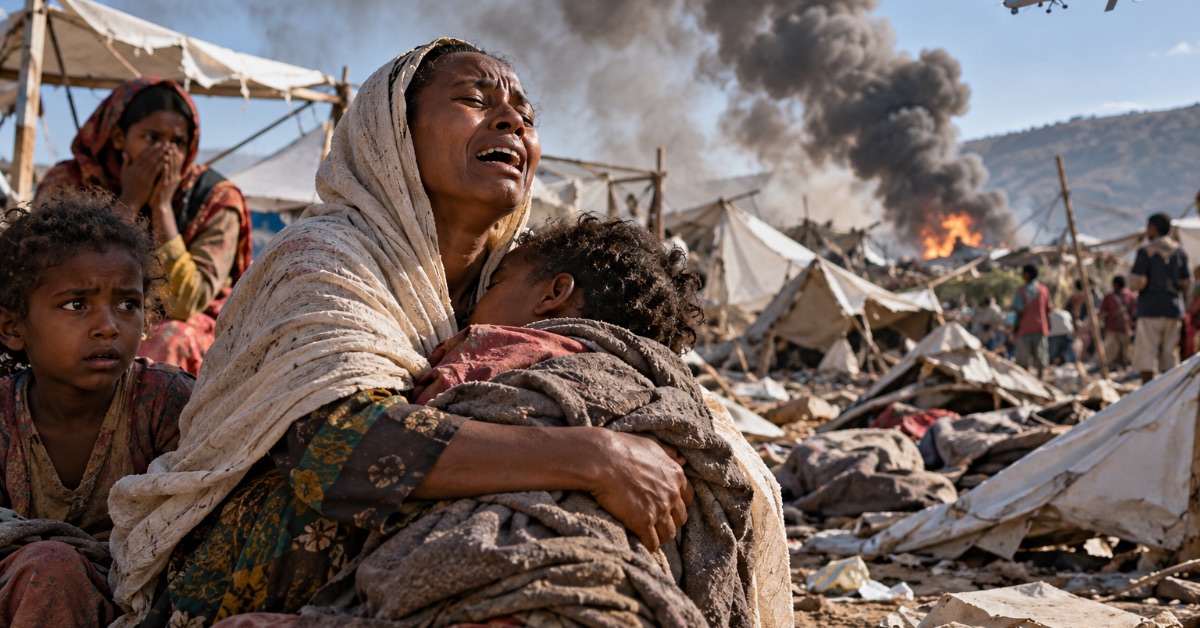
Renewed tensions threaten an already fragile humanitarian situation in northern Ethiopia. Civilians continue to face displacement, disrupted livelihoods, limited health services and shortages of food and other essentials.
Insecurity, road closures and movement restrictions could obstruct aid deliveries, while families displaced by earlier fighting remain uncertain about returning home. Any escalation could trigger further displacement and strain humanitarian networks already affected by the Tigray war.
Aid agencies and rights groups have urged all parties to protect civilians, allow safe humanitarian access and avoid actions that could provoke a broader conflict.
Washington Reaffirms the 2018 Peace Framework
During his conversation with Abiy, Rubio emphasized de-escalation and dialogue under the 2018 Ethiopia–Eritrea peace framework, which ended two decades of hostility after the 1998–2000 border war.
Washington also called on countries in the Horn of Africa to avoid cross-border incursions and resolve disputes peacefully. The appeal comes as relations between Addis Ababa and Asmara have deteriorated amid renewed fighting and political tensions in northern Ethiopia.
The conflict also threatens efforts to consolidate stability under the 2022 Pretoria Agreement, which ended the main phase of the Tigray war.
US State Department Statement, October 14
According to the State Department, Rubio told Abiy that sustainable solutions to regional tensions require dialogue consistent with the 2018 peace framework.
The immediate priority, diplomats and humanitarian officials say, is to prevent military incidents from escalating, protect civilians near the border and preserve channels for African Union-led mediation.