
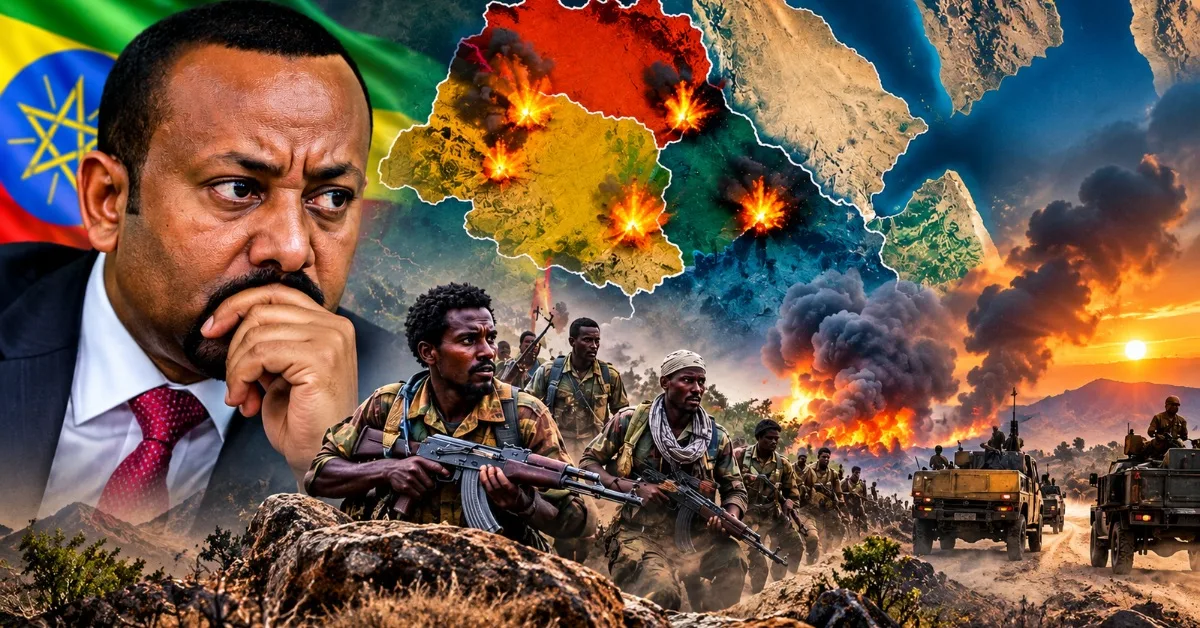
Ethiopia’s security crisis is widening, with Amhara Fano fighters stepping up operations against federal forces at a time when Prime Minister Abiy Ahmed’s government is heavily engaged in Tigray and facing growing tensions with neighboring Eritrea.
The latest developments raise questions about how long Addis Ababa can sustain military campaigns on several fronts without addressing the political disputes driving the conflicts.
According to an October 16 assessment by the Critical Threats Project, the Amhara Fano National Movement has expanded its operations across eastern Amhara. Wazema Radio reported that Fano fighters captured Wegere, about 35 miles north of Debre Birhan, on October 15.
Deutsche Welle also reported intense fighting around Mehal Sayint, Jama, Wegdi and Kelala in South Wollo. Fano representatives have claimed control of additional towns, including Wegel Tena, Mehal Meda and Zemero, although those claims have not been independently confirmed.
The renewed fighting comes as Ethiopian federal forces attempt to consolidate recent military gains in Tigray. Despite capturing major towns, the government continues to face resistance, while the political grievances that fueled the conflict remain unresolved.
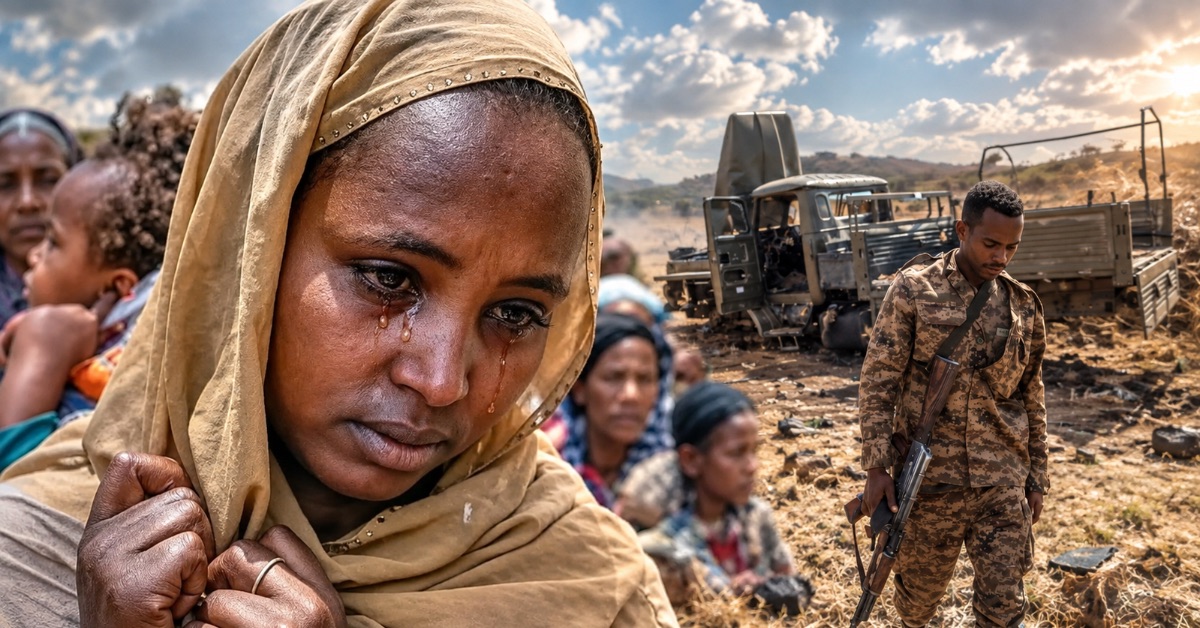
For the people of Tigray, another round of warfare means more uncertainty and suffering. Families who survived the devastating 2020–2022 conflict are again confronting displacement, disrupted healthcare and the fear of losing what little they have managed to rebuild.
The Ethiopian government’s announcement of a new caretaker administration in Tigray has done little to settle the larger question of how lasting peace can be achieved without a political agreement accepted by the communities affected.
At the same time, relations between Ethiopia and Eritrea have deteriorated sharply.
Addis Ababa has accused Eritrea of involvement in the fighting inside Ethiopia, allegations Asmara has rejected. Reports concerning alleged Eritrean troop movements remain contested, and their precise scale and circumstances have not been independently established.
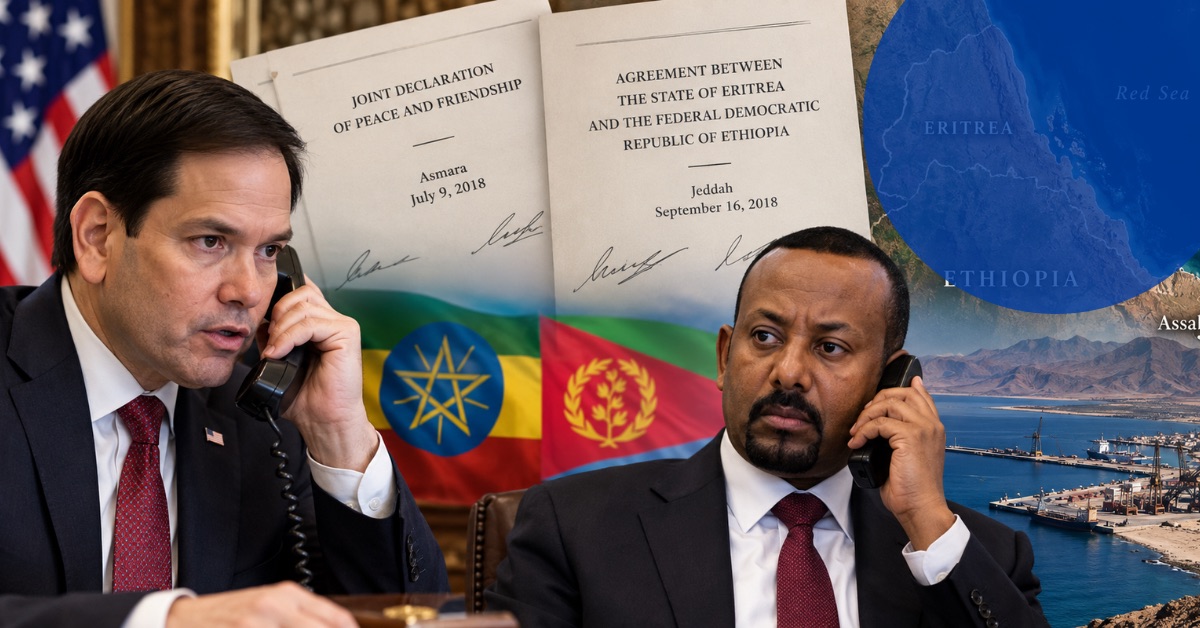
Eritrea has repeatedly warned that Ethiopia’s accusations could be used to justify military action against its territory, particularly amid statements by Ethiopian officials concerning access to the Red Sea and the port of Assab.
During an October 15 briefing to foreign diplomats in Asmara, Eritrean Foreign Minister Osman Saleh accused Ethiopian leaders of threatening Eritrea’s territorial integrity and urged the international community to act before the confrontation escalates.
Ethiopia’s need for commercial access to the sea does not give it the right to threaten or seize territory belonging to another sovereign country. Eritrea’s internationally recognized borders cannot be changed through military pressure.
The expanding Fano offensive could further complicate Abiy’s military calculations. With federal forces committed to operations in Tigray and Amhara, sustaining another confrontation would carry significant risks. That does not, however, establish that Ethiopia has decided to launch military operations against Eritrea.
Washington and London have already urged restraint. US Secretary of State Marco Rubio emphasized respect for sovereignty and territorial integrity during his October 14 conversation with Abiy Ahmed, while Britain subsequently called for de-escalation and respect for international borders.
The danger now is that Ethiopia’s unresolved internal conflicts could feed a broader regional confrontation, with civilians once again paying the highest price.
For Tigrayans, the priority is an end to the violence and a political settlement that allows families to rebuild their lives. For Eritrea, the immediate concern is safeguarding its sovereignty and preventing the fighting from crossing its borders.
The Ethiopian government may have achieved battlefield gains in Tigray, but the expanding Fano offensive is another reminder that military victories do not necessarily resolve political crises. With multiple conflicts still burning, further escalation would only deepen the suffering and instability across the region.