

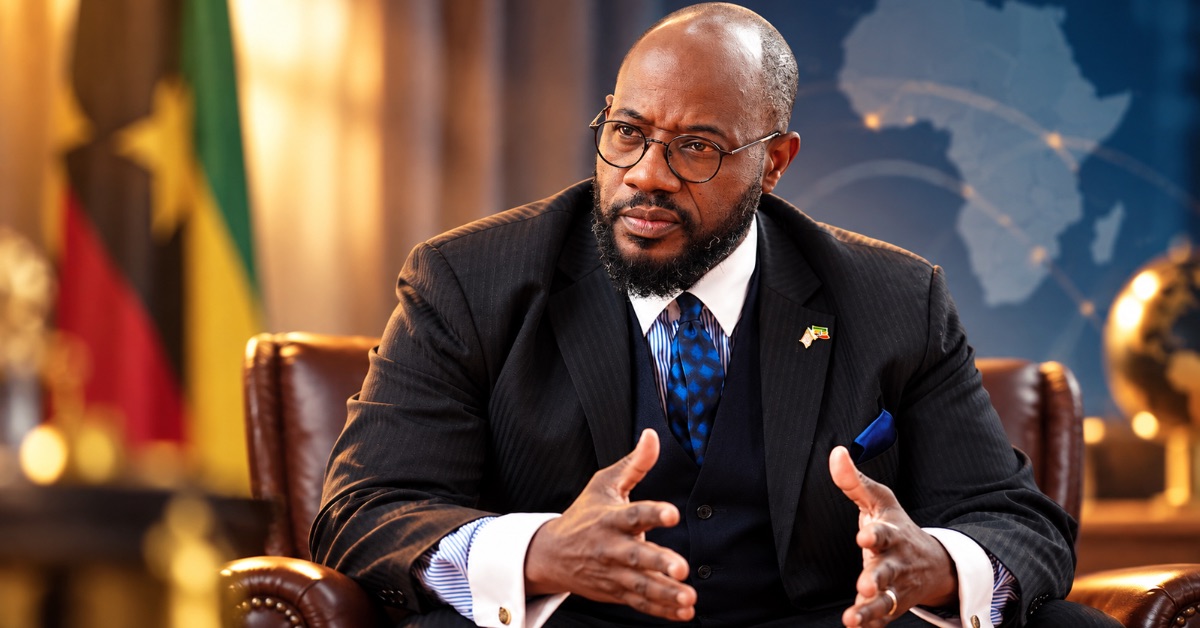
Ethiopia has repeatedly accused Eritrea of interfering in its internal affairs while pressing its ambitions for access to the Red Sea. Yet when US Ambassador Ervin Massinga was directly questioned about both issues, he offered no public endorsement of Addis Ababa’s position.
In an October 19, 2026, interview with The Reporter Ethiopia, Massinga was asked about Ethiopian government allegations that Eritrea and Egypt were fuelling the conflict in northern Ethiopia. Rather than confirming those claims, he emphasised Washington’s diplomatic engagement, referencing discussions between US Secretary of State Marco Rubio and Prime Minister Abiy Ahmed.
His response was significant for what it left unsaid. He neither accused Eritrea of aggression nor validated Ethiopia’s allegations. Instead, he stressed dialogue and diplomacy.
This was not an American declaration of Eritrea’s innocence. But it raises a reasonable question: If Addis Ababa expects the international community to accept its accusations, where is the independently verifiable evidence?
The ambassador took a similarly cautious approach when questioned about Ethiopia’s pursuit of Red Sea access. He advocated economic integration and peaceful cooperation without endorsing any claim to sovereign maritime territory.
The distinction matters. Ethiopia’s need for reliable commercial access to the sea is legitimate. But economic necessity does not confer ownership of another country’s coastline. Eritrea’s ports of Assab and Massawa remain under Eritrean sovereignty, and any commercial arrangement requires mutual agreement.
Since October 2023, Prime Minister Abiy Ahmed’s rhetoric concerning the Red Sea has strained regional relations. Coupled with allegations against Eritrea and unresolved domestic conflicts, it risks turning economic interests into a dangerous confrontation.
Meanwhile, Ethiopia faces serious obligations under the Pretoria Agreement. Massinga’s emphasis on disarmament, the return of displaced civilians and the restoration of administration points to unresolved challenges that require political leadership rather than further regional escalation.
The broader diplomatic picture is revealing. Addis Ababa continues to portray Eritrea as a security concern while promoting its maritime ambitions. Yet Washington’s ambassador publicly endorsed neither the allegations nor any territorial entitlement.
This restraint should not be exaggerated into a change in American policy. Still, it exposes the difference between Ethiopia’s assertions and what its international partners are prepared to support publicly.
The central lesson from Massinga’s interview is straightforward: serious accusations require credible evidence, and economic ambitions must be pursued through diplomacy rather than confrontation.
For Eritrea, defending its national interests does not require rejecting regional cooperation. It requires ensuring that cooperation is voluntary, mutually beneficial and grounded in respect for established borders.
Ethiopia and Eritrea have far more to gain from peaceful engagement than another destructive conflict. Washington’s diplomatic caution reinforces the need to move beyond accusations and pursue practical solutions.
Source: The Reporter Ethiopia, October 19, 2026 — Interview with US Ambassador Ervin Massinga.

