WASHINGTON, Nov. 12, 2026 | SETIT MEDIA
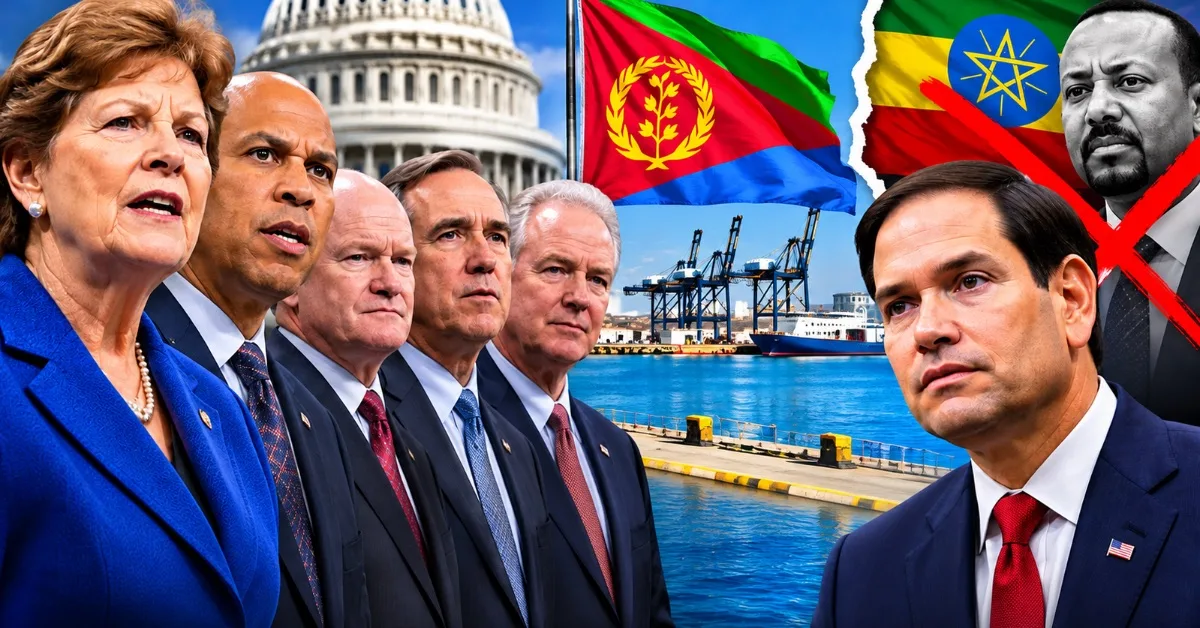
Five Democratic U.S. senators have urged Secretary of State Marco Rubio to make clear that the United States will not support or accept any Ethiopian attempt to seize Eritrea’s Port of Assab by force, as growing tensions between the two countries raise fears of another devastating war in the Horn of Africa.
In a letter dated November 10 and released publicly on November 11, Senators Jeanne Shaheen, Cory Booker, Chris Coons, Jeff Merkley and Chris Van Hollen called on the Trump administration to take a more active diplomatic role in addressing Ethiopia’s internal conflicts and preventing a wider regional confrontation.
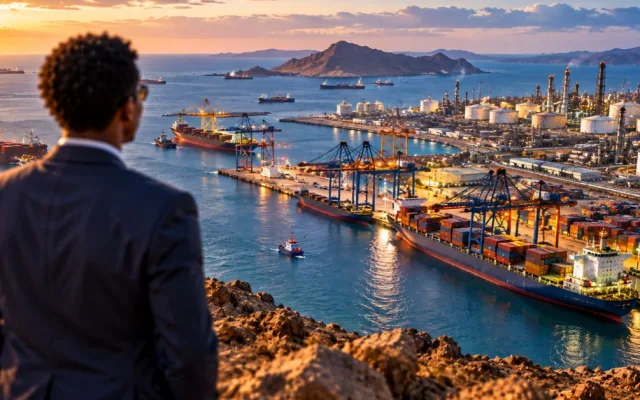
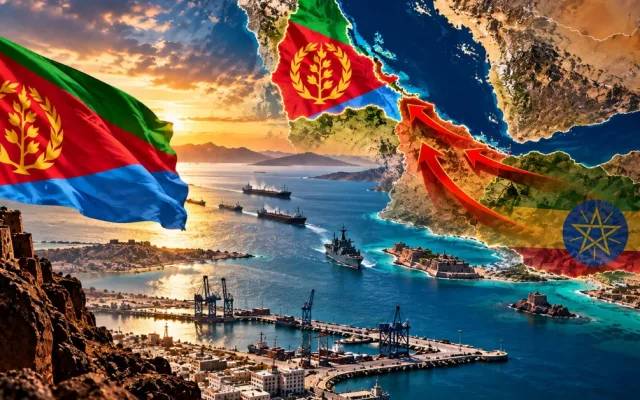
The lawmakers were particularly direct about Assab, the Eritrean port that has increasingly featured in Ethiopia’s campaign for access to the Red Sea. They urged the State Department to rule out any discussion of acquiring the port militarily and warned against treating its acquisition as a possible diplomatic bargaining tool.
The warning comes at a time when relations between Asmara and Addis Ababa have deteriorated sharply. Ethiopian Prime Minister Abiy Ahmed has repeatedly described access to the Red Sea as a vital national interest, while Eritrea has maintained that its territorial sovereignty is not open to negotiation. The dispute has become a major source of regional tension, adding to concerns over renewed fighting in northern Ethiopia.
For Eritrea, the distinction between commercial access and territorial control is fundamental. Ethiopia, like any landlocked country, can negotiate access to international ports through agreements that respect the sovereignty of neighboring states. But the right to seek maritime access does not include the right to acquire another country’s territory through military pressure or force.
The senators’ letter makes that distinction explicit. Rather than limiting their appeal to general calls for restraint, they specifically identify Assab and urge Washington to reject any attempt to change its control militarily. Their position also places responsibility on American diplomacy to ensure that Eritrean territory is not presented as a concession in negotiations over Ethiopia’s regional ambitions.
Beyond the dispute over Assab, the senators expressed concern about Ethiopia’s worsening security situation, including conflicts in Tigray, Amhara and Oromia. They warned that the combination of domestic instability, deteriorating relations with Eritrea and regional military involvement could produce consequences extending far beyond Ethiopia’s borders.
The lawmakers called for renewed diplomatic engagement, civilian protection, humanitarian assistance and efforts to prevent further military escalation. Their recommendations also addressed the role of neighboring countries and the need to discourage external involvement that could intensify the fighting.
The letter is significant for Eritrea because it brings the question of Assab directly into the American congressional debate at a moment when Ethiopia’s maritime ambitions have become a central concern in regional diplomacy. It also establishes a clear position among the five senators that Ethiopia’s economic need for sea access cannot justify the forcible acquisition of Eritrean territory.
That position, however, should not be confused with a formal change in American foreign policy. The five lawmakers are calling on Rubio and the Trump administration to take a stronger stand. The administration has not, through this letter, committed itself to adopting their recommendations.
For now, the message from the senators is unmistakable: Ethiopia’s pursuit of maritime access must remain within the boundaries of diplomacy and international law, and any attempt to take Assab by force must be rejected.
The question is whether Washington will turn that congressional warning into a firm diplomatic position before tensions between Eritrea and Ethiopia escalate further.
Source: U.S. Senate Foreign Relations Committee, November 11, 2026. Read the official statement.